Free guide · 13 types · 5 families
Kibbe body types: all 13 types explained
The Kibbe body types group people into five image families — Dramatic, Natural, Classic, Gamine and Romantic — and 13 types in total. Here is each Kibbe type's body traits and what to wear.
How the Kibbe body types work
Kibbe types sit alongside other body shape classifications.
- 1
Yin and yang
Yang is sharp, long or broad; yin is soft, rounded and small.
- 2
Five families
Dramatic, Natural, Classic, Gamine and Romantic.
- 3
13 types
Each family splits by a yin or yang lean, like Soft Dramatic.
All 13 Kibbe body types
Body traits and the style lines that suit each Kibbe type.
Dramatic · Dramatic
Sharp, elongated yang — bold and striking. Long vertical line, narrow and angular bone structure, flatter flesh. Wear: sharp tailoring and strong shoulders; long, unbroken vertical lines; bold geometric prints; stiff, smooth fabrics. Avoid: fussy details, ruffles and soft draping.
Soft Dramatic · Dramatic
Sharp yang with lush yin — glamorous and opulent. Long vertical line and large bones, with curves in the bust and hips and soft facial features. Wear: long, draped silhouettes; defined waist with fluid fabric; large, ornate jewelry; rich, luxurious textures. Avoid: boxy, unconstructed shapes and tiny details.
Flamboyant Natural · Natural
Blunt yang with length — relaxed and expansive. Long line, broad shoulders, blunt wide bones, flesh on the flatter side. Wear: relaxed, unconstructed layers; oversized blazers and wide trousers; textured, natural fabrics; chunky, organic jewelry. Avoid: tight, rigid tailoring and tiny prints.
Natural · Natural
Soft yang — effortless and approachable. Moderate height, slightly broad and blunt frame, athletic look. Wear: easy, slightly relaxed fits; soft structure, not stiff; natural textures like linen and denim; asymmetric, casual details. Avoid: severe tailoring and overly delicate trims.
Soft Natural · Natural
Blunt yang with yin curves — warm and free-spirited. Moderate or shorter height, slightly broad frame, softer curves in bust and hips. Wear: soft, drapey fabrics; waist definition with relaxed shape; wrap dresses and soft knits; curved, organic details. Avoid: stiff, boxy cuts and sharp geometric lines.
Dramatic Classic · Classic
Balance with a sharp edge — refined and polished. Moderate height, symmetrical proportions with slightly angular bones. Wear: crisp, tailored pieces; clean lines and structured fabrics; polished, minimal accessories; tonal outfits. Avoid: very relaxed shapes and fussy trims.
Classic · Classic
Pure balance — elegant and timeless. Moderate everything: height, bone structure and flesh are all evenly balanced. Wear: tailored but softly finished; matching sets and refined basics; moderate, symmetrical details. Avoid: extremes — oversized, very sharp or very ornate pieces.
Soft Classic · Classic
Balance with softness — graceful and gentle. Moderate height, symmetrical proportions with slightly rounded curves. Wear: gently shaped tailoring; soft, smooth fabrics; delicate, refined jewelry; soft draping at the waist. Avoid: harsh angles and heavy, rough textures.
Flamboyant Gamine · Gamine
Mixed yang and yin, leaning sharp — energetic and playful. Petite or compact frame with angular bones and a straighter line. Wear: cropped jackets and slim pants; bold contrasts and color blocking; sharp, quirky details; short, broken lines. Avoid: long, flowing, unbroken silhouettes.
Gamine · Gamine
Even mix of yang and yin — spirited and youthful. Compact frame mixing sharp and soft features in equal parts. Wear: tailored, close-fitting shapes; broken lines: separates, belts; crisp fabrics with playful details; contrast and small prints. Avoid: oversized, draped or very long pieces.
Soft Gamine · Gamine
Mixed yang and yin, leaning soft — sweet and lively. Petite frame, a little sharpness with noticeable curves. Wear: fitted waists with shaped skirts; rounded, playful details; contrast in small doses; cropped, shaped jackets. Avoid: long, heavy, unbroken lines and boxy cuts.
Theatrical Romantic · Romantic
Lush yin with a sharp edge — alluring and dramatic. Petite to moderate frame, delicate sharp bones, soft curves. Wear: fitted, waist-defined shapes; draping with sharp accents; sheer, luxe fabrics; ornate, delicate jewelry. Avoid: boxy, oversized and heavy fabrics.
Romantic · Romantic
Pure yin — soft, sensual and lush. Petite to moderate height, rounded bones and soft, curvy flesh. Wear: soft, flowing fabrics; defined waists and curved seams; lace, ruffles and draping; round, delicate details. Avoid: sharp tailoring, stiff fabrics and geometric prints.
Choosing between neighboring Kibbe body types
Neighboring types share a family but differ in their yin or yang lean. A Soft Dramatic and a Dramatic are both long and bold, but the Soft Dramatic adds curves and softer features, so they look best in draping rather than stiff geometry.
When you're unsure, try clothing lines rather than labels. Put on a sharply tailored jacket and then a soft wrap top. Notice which one makes your outline look intentional. Repeat with a long column dress and a cropped, broken-line outfit.
Your type doesn't change with weight, age or fitness. It reflects bone structure and overall impression, which is why the system focuses on line, scale and fabric rather than body measurements.
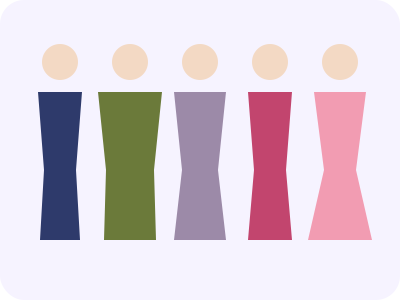
Kibbe body types FAQ
How do I find my Kibbe body type?
Take the free Kibbe body type test — ten questions about your frame and features — then read your type here.
Why did Kibbe reduce the system to 10 types?
In later work Kibbe merged some types, but the 13-type system remains the most widely used, so this guide covers all 13.
What's the most common Kibbe type?
There's no official data. Online communities report Soft Natural, Soft Classic and Soft Gamine often, but self-typing is unreliable.
Can men use Kibbe types?
Yes. The same families describe line and scale in any body; only the clothing examples change.
More from StyleMirror
All free tools