65 cuts · 16 colours · try any of them on your photo
Hairstyles, shown on your own face
Every cut below is listed with the length it finishes at and the face shapes and hair textures it suits. Pick one to read what to ask for and what it costs to keep, or send it straight to the generator and see it on your own photo.
Most hairstyle galleries are photographs of other people. That tells you what a cut looks like on their head shape, their hair density and their hairline, which is the part that does not transfer. The pages here are built the other way round: each one explains the geometry of the cut, who it works on, when to avoid it, and the exact words to use at the salon — then lets you put it on your own photo before you commit.
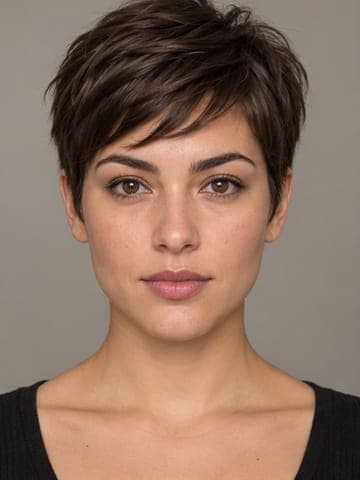
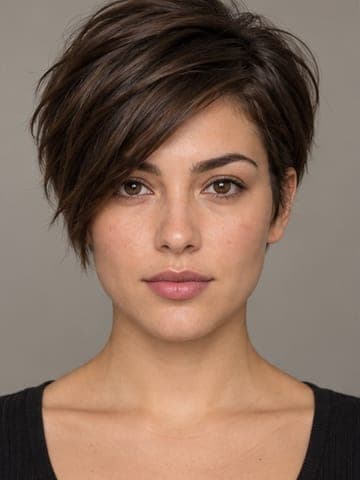
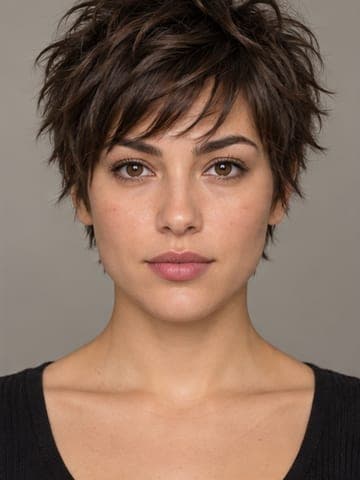
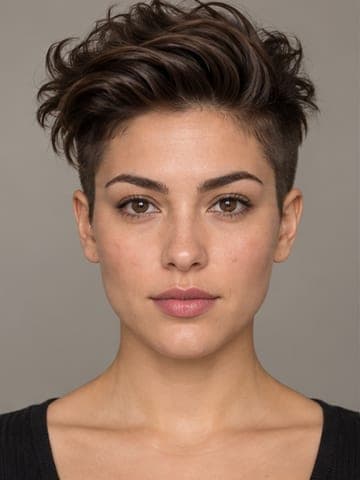
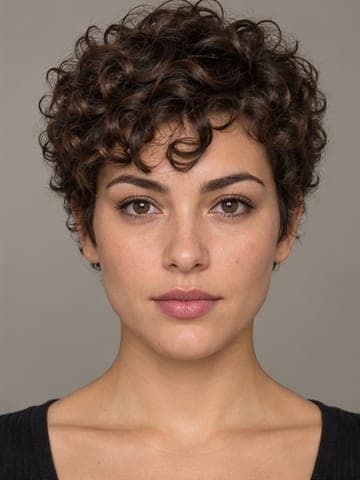
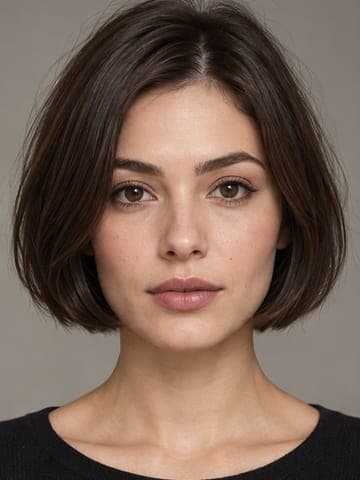
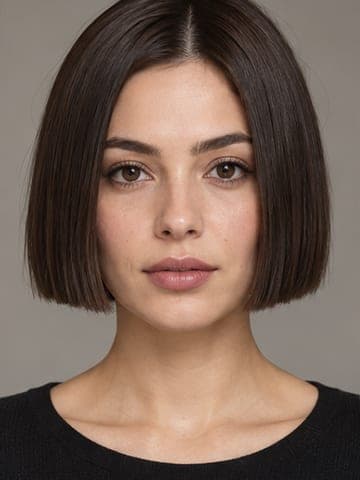
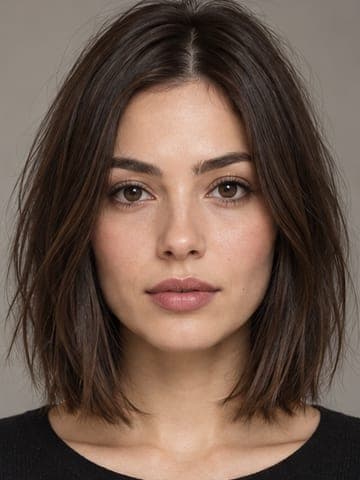
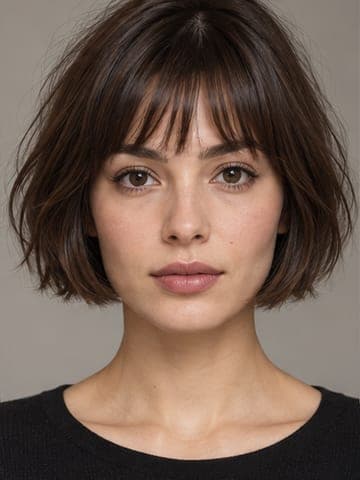
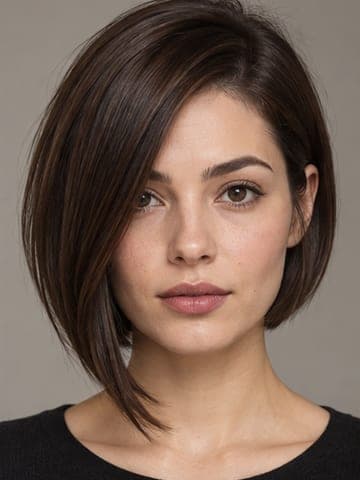
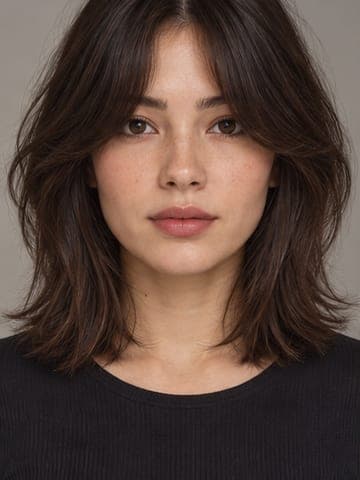
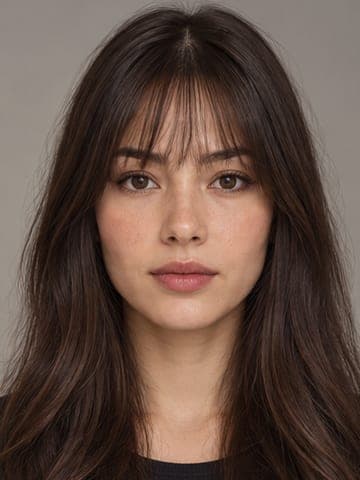
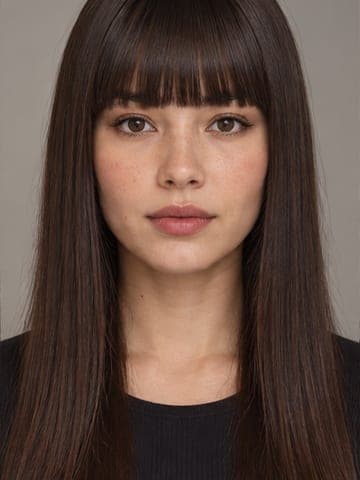
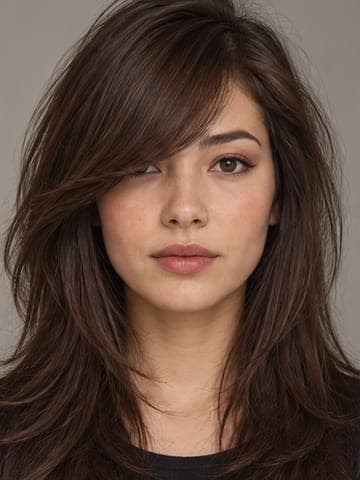
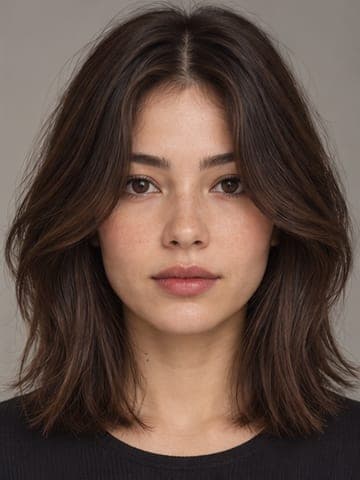
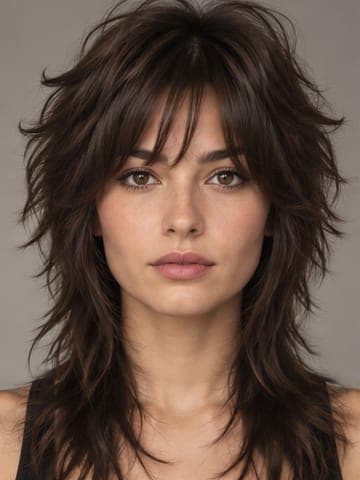
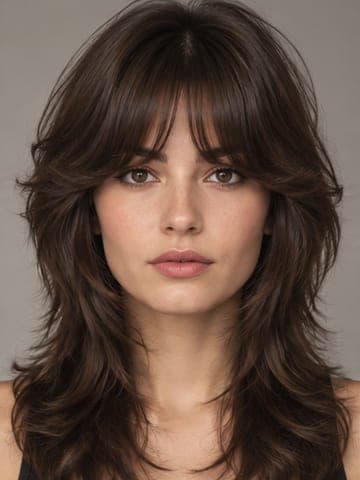
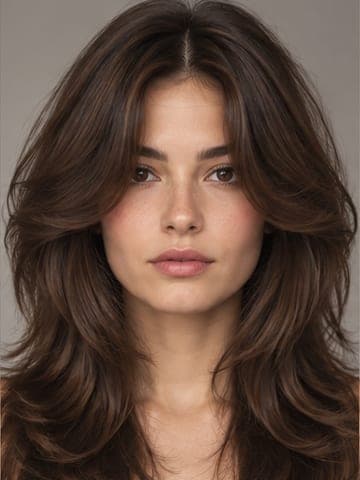
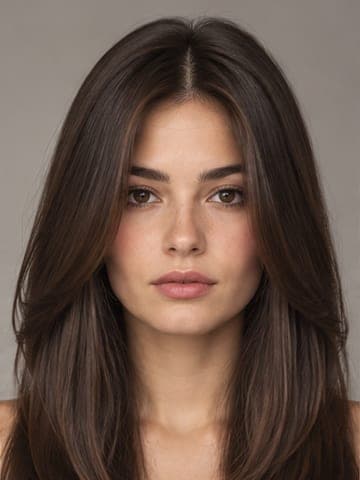
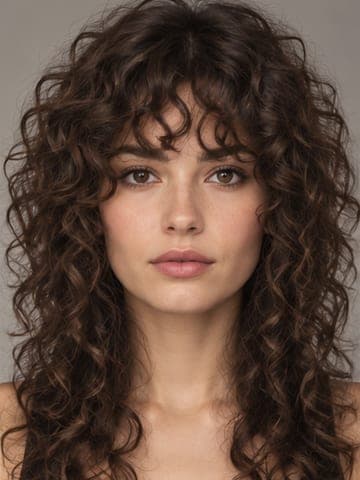
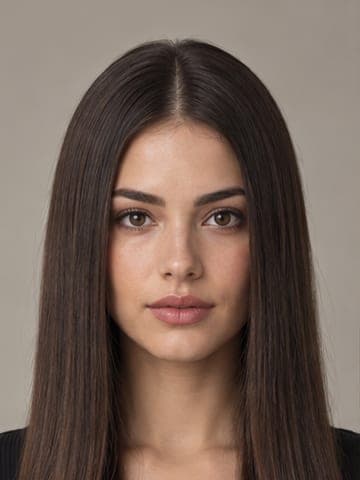
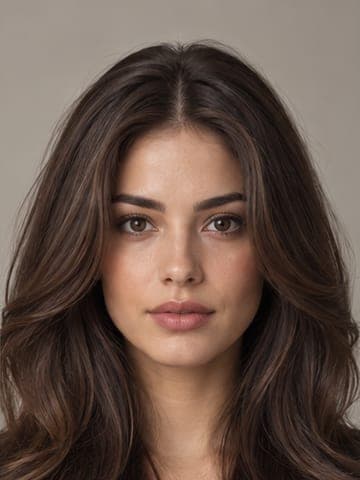
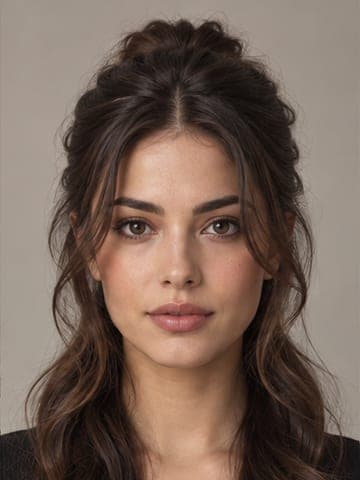
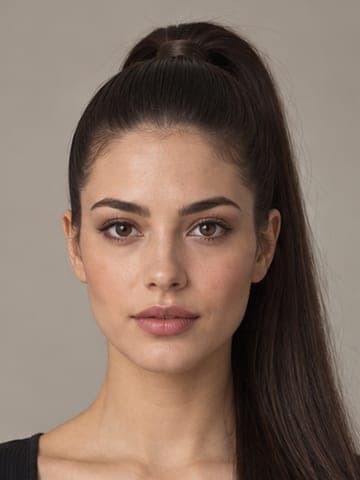
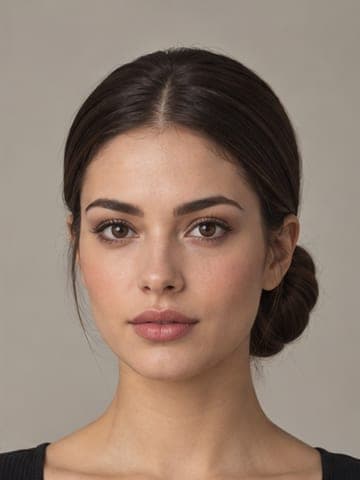
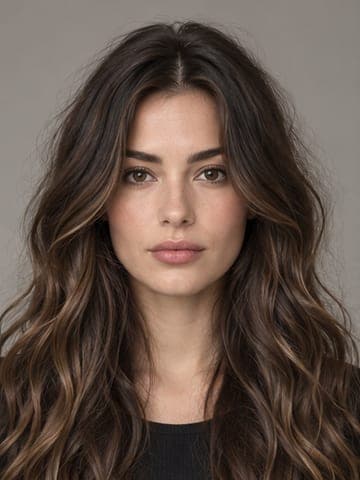
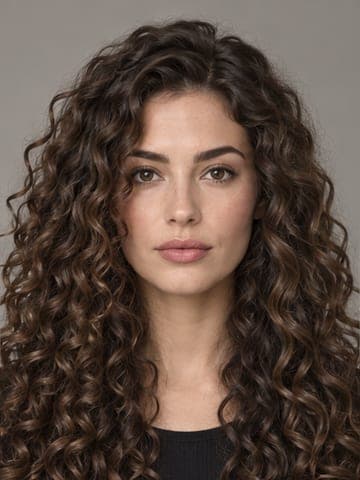
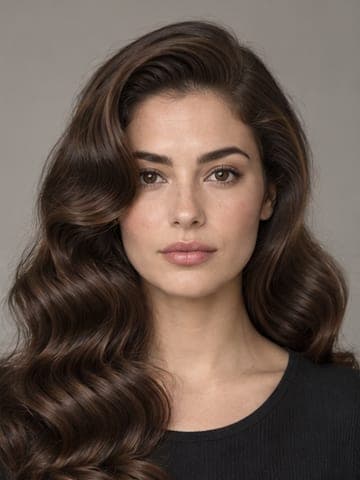
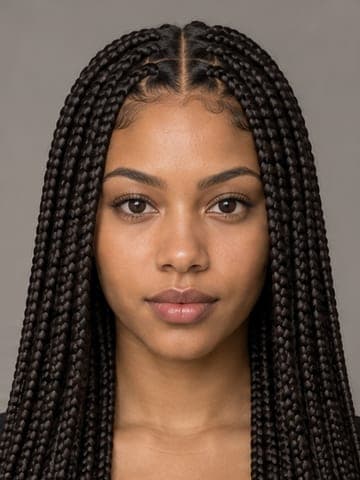
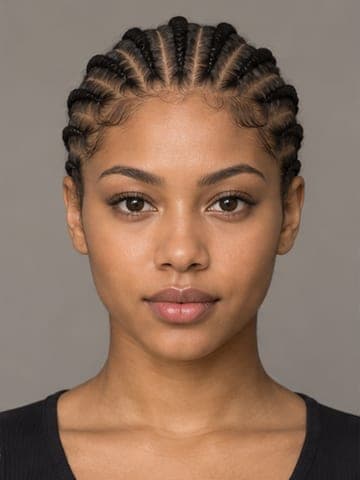
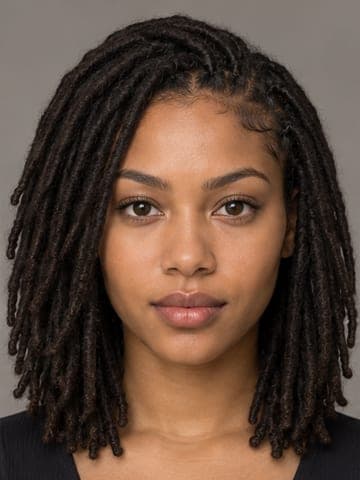
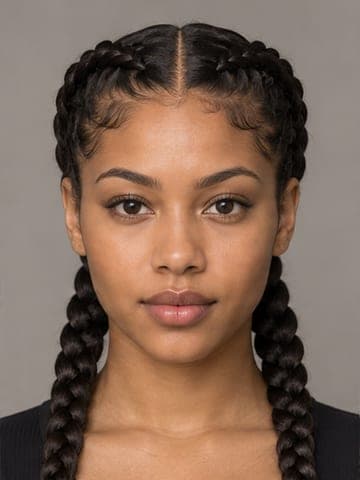
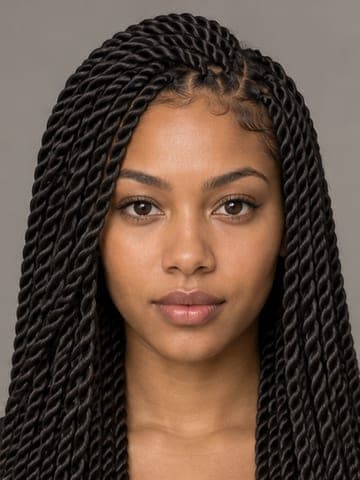
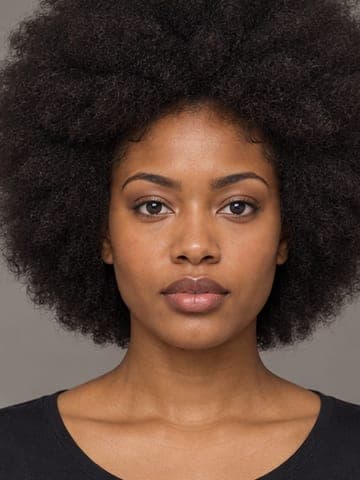
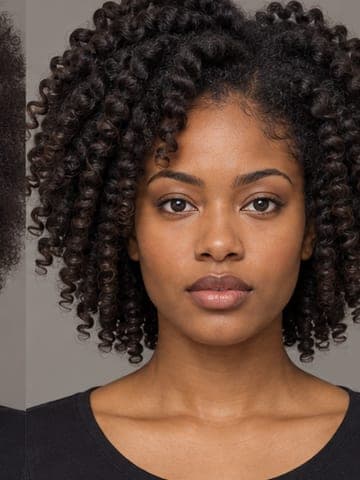
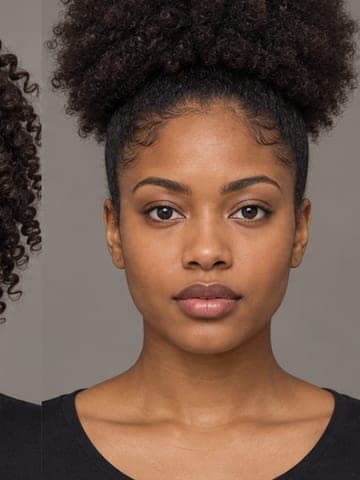
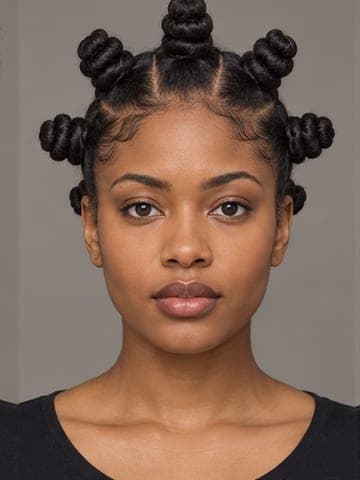
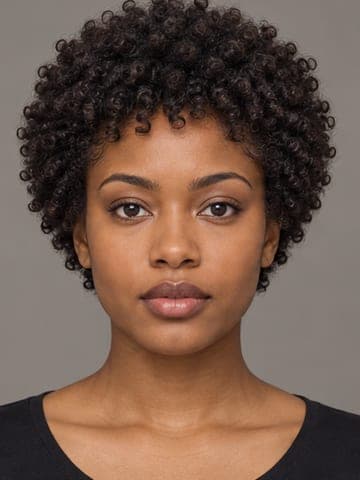
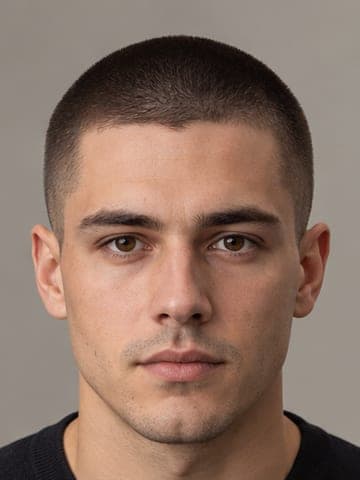
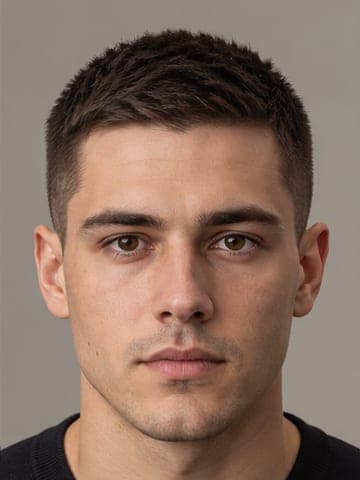
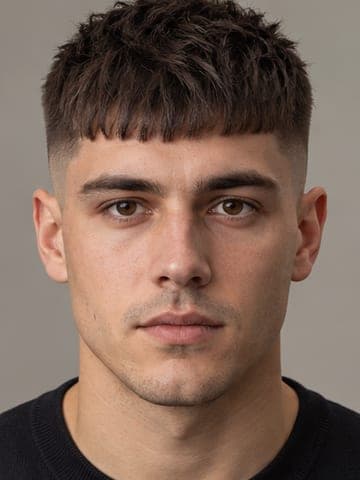
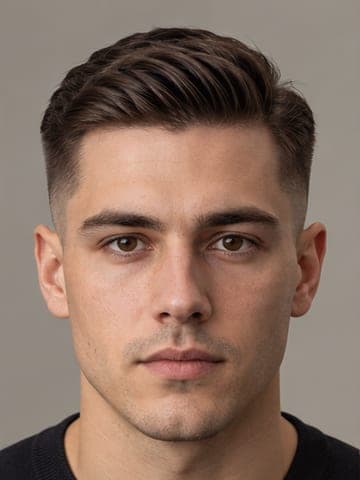
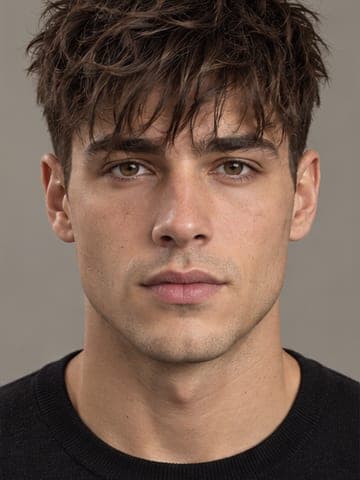
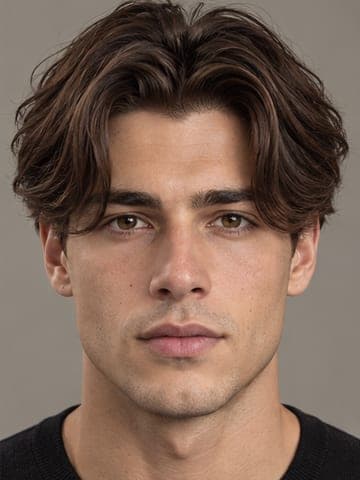
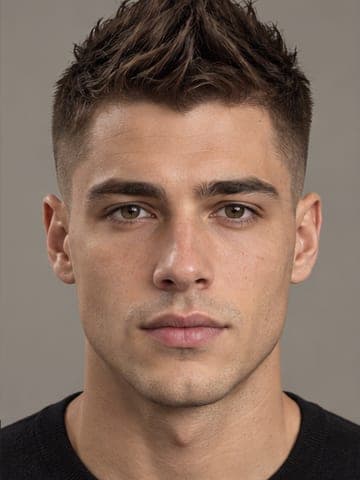
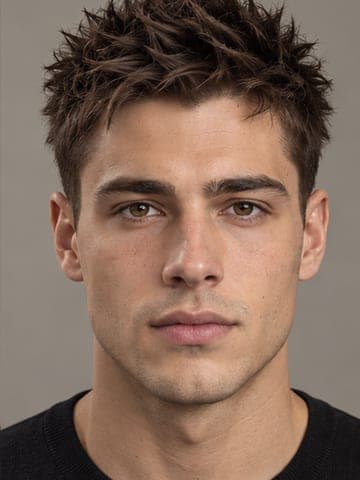
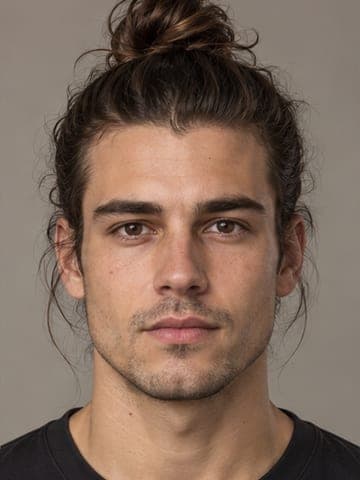
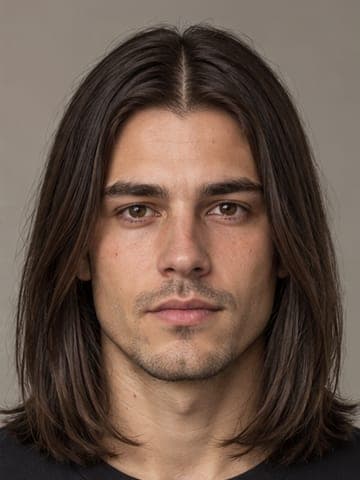
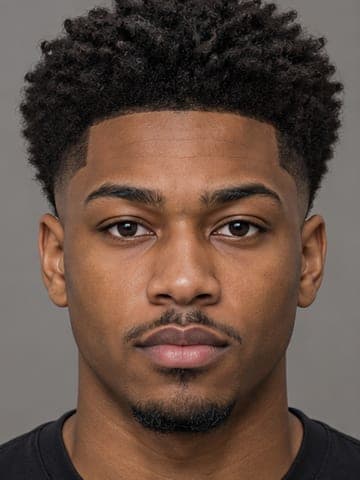
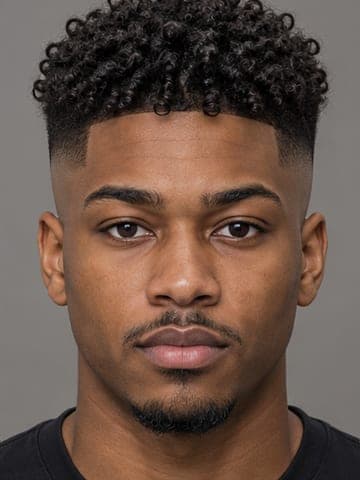
The previews all use one model per gender, lit the same way, so the cuts are comparable with each other rather than being 65 unrelated photographs. When you upload your own picture, the same pipeline changes only the hair.
Three ways to narrow 65 down
Pick whichever constraint is hardest for you to change.
By face shape. This is the constraint most people start from, and the one a photo answers fastest. Run the face shape detector first, then read hairstyles for your face shape. Each cut's page also lists the shapes it suits and, more usefully, when to avoid it.
By length. The label describes where the finished cut ends, not the hair you start with: short ends above the jaw, medium between the jaw and the collarbone, long below it. The library is 29 short, 18 medium, 18 long. If you are growing hair out, pick one length up from where you are now — most cuts look wrong attempted a stage too early.
By upkeep. This is the one people underestimate. A cut you love and cannot maintain becomes a cut you resent in six weeks, and the salon interval matters more than the daily minutes: ten minutes a morning is a habit, but a chair every three weeks is a standing cost. The table below uses the real figures from the guides on this site.
| Cut | Styling | Back to the salon | Effort |
|---|---|---|---|
| Buzz cut | 0 minutes | 2–4 weeks | 1/5 |
| Wolf cut | 5–10 minutes | 8–12 weeks | 2/5 |
| Curtain bangs | 2–4 minutes | 6–10 weeks for a dusting | 2/5 |
| Pixie cut | 3–5 minutes | 4–6 weeks | 2/5 |
| Textured crop | 2–3 minutes | 3–5 weeks | 2/5 |
| Modern mullet | 3–5 minutes | 6–10 weeks | 2/5 |
| French bob | 5–8 minutes | 6–8 weeks | 3/5 |
| Loose curls | 20–30 minutes when styled, 5 when natural | 10–14 weeks | 3/5 |
Guides exist for 8 of the 65 cuts so far. The rest send you straight to the generator, and we are writing them in order of how often they are searched.
Female cuts
40 styles, grouped by shape and texture.
Pixie & short
Bobs
Bangs & fringe
Layers & shag
Long & sleek
Waves & curls
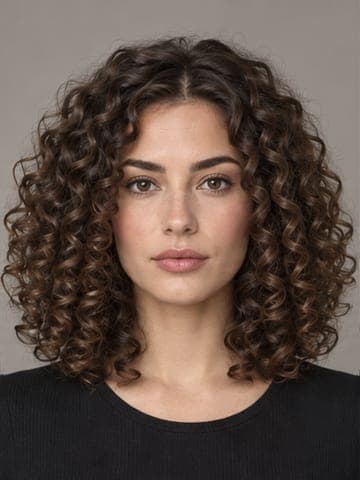
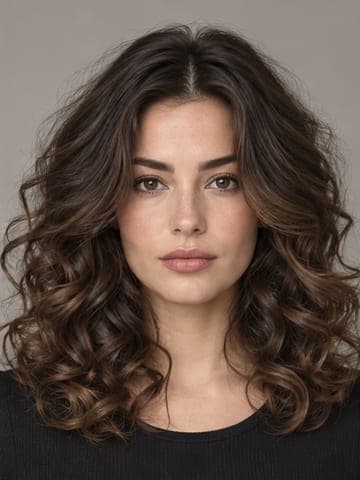
Braids & locs
Male cuts
25 styles, grouped by shape and texture.
Short cuts
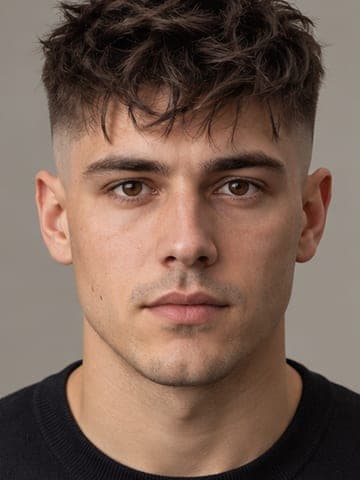
Classic

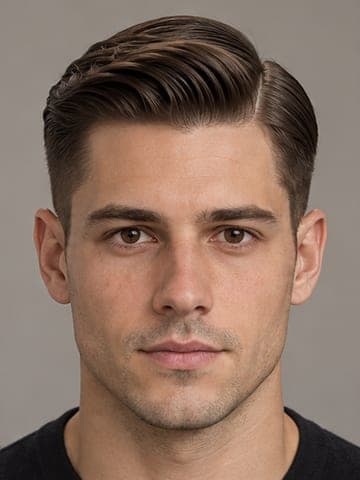
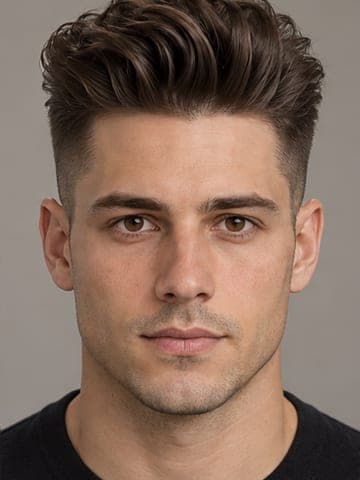


Quiffs & fringes
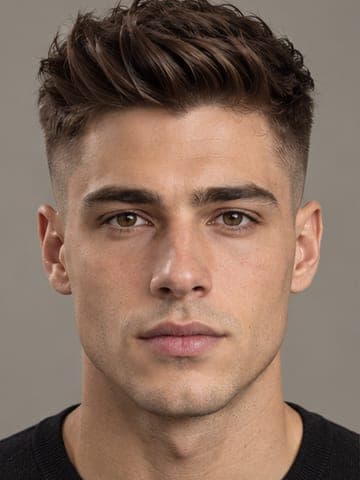
Medium & long



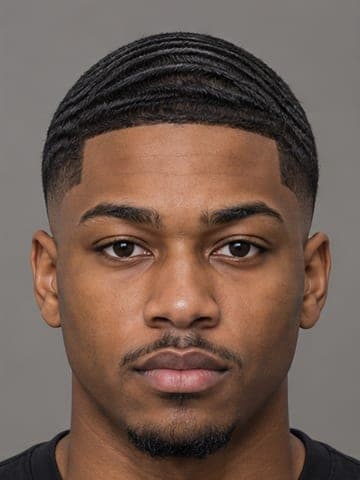

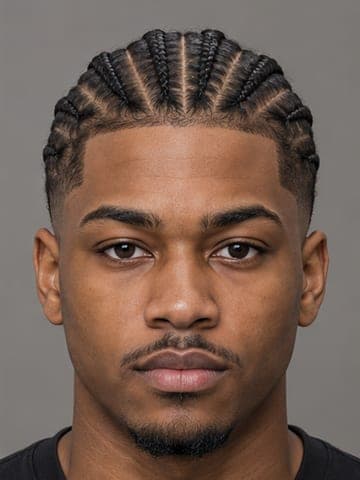
How we build these previews
So you know what you are comparing.
We built all 65 cuts in this library — 40on the women's reference model and 25on the men's — from 2 base photographs, one per model, rather than collecting 65 unrelated pictures. Every preview is an edit of that single base photo, so the face, skin texture, pose, clothing, background and lighting are identical across the whole library. The only variable is the hair.
Our method is deliberately constrained: the edit instruction forbids smoothing skin, slimming the face or changing the eyes, because a flattered “after” would make the comparison worthless. That is why the cuts below can be read against any other cut here — same person, same light. The before-and-after pairs come from one photograph for the same reason, and when you upload your own picture we use that same pipeline, not a different one.
For the fit advice we measure the same way our face shape detector does: 478 facial landmarksread in your browser with Google's MediaPipe Face Landmarker, then compared against 7 reference shapes on fixed ratios — a length-to-width ratio of 1.6 or more reads as oblong, under 1.3 reads round or square, and a jaw at 92% of cheekbone width or wider reads as square. Nothing is uploaded for that step; it runs on your device.
What this cannot tell you:how your own hair will behave once it is cut. Density, growth pattern, cowlicks and the stylist's hand all change the result, and no preview predicts them. Plenty of faces also sit within a percentage point or two of those thresholds, so a small change in head angle can move the reading — treat the fit advice as a shortlist, not a verdict, then take the shortlist to a salon.
Updated November 2026. We revise a cut's page when the advice or the renders change, not on a schedule.
Common questions
How do I know which hairstyle suits me?
Start from face shape and hair texture, not from a photo of someone else. Each cut's page lists the face shapes and textures it works on and, just as usefully, when not to pick it.
Can I see a hairstyle on my own face before cutting?
Yes. Upload one front-facing photo and pick a cut; the generator changes only the hair and leaves your face, skin and clothing as they are.
What is the difference between short, medium and long here?
Short ends above the jaw, medium between the jaw and the collarbone, long below the collarbone. The label describes the finished style, not the hair you start with.
Do I need to sign up?
You can browse every cut without an account. Generating a result on your own photo needs a free account, which comes with starter credits.
Are these cuts for women or men?
Both. Forty are styled on the female lookbook model and twenty-five on the male one, but anyone can generate any cut on their own photo.
Does the tool keep my photo?
See the privacy page for what is stored and for how long. The face-analysis tools on this site run entirely in your browser and upload nothing.
How accurate is the preview?
It shows the shape and the length on your own head, which is what most people are deciding. It cannot predict how your hair will behave once cut, so treat it as a shortlist tool rather than a guarantee.
Which hairstyle is easiest to maintain?
A buzz cut needs no daily styling at all but a trim every two to four weeks. For longer hair, cuts built on texture rather than a precise line are the most forgiving between salon visits.
Try any of these on your own photo
One front-facing photo is enough. Your face stays yours.
Open the hairstyle changer